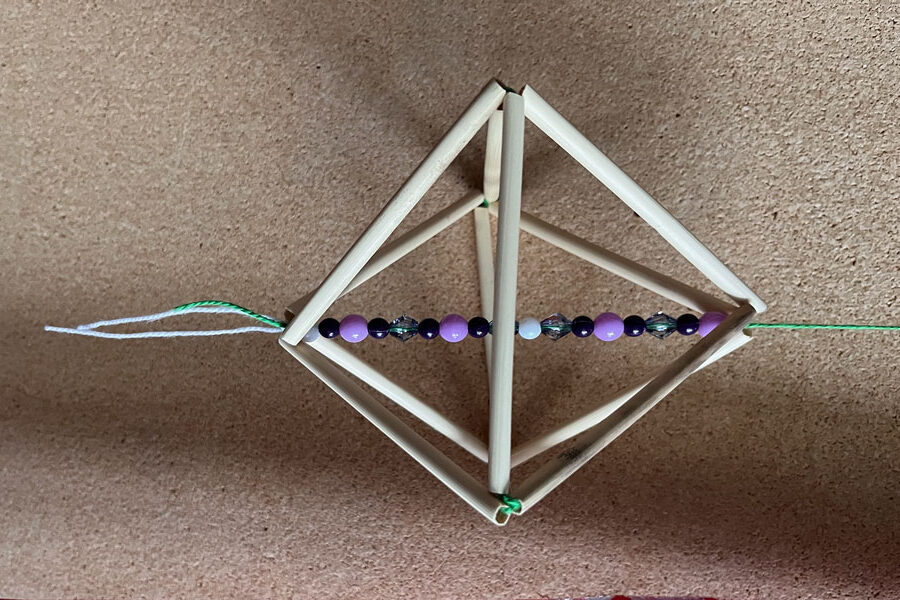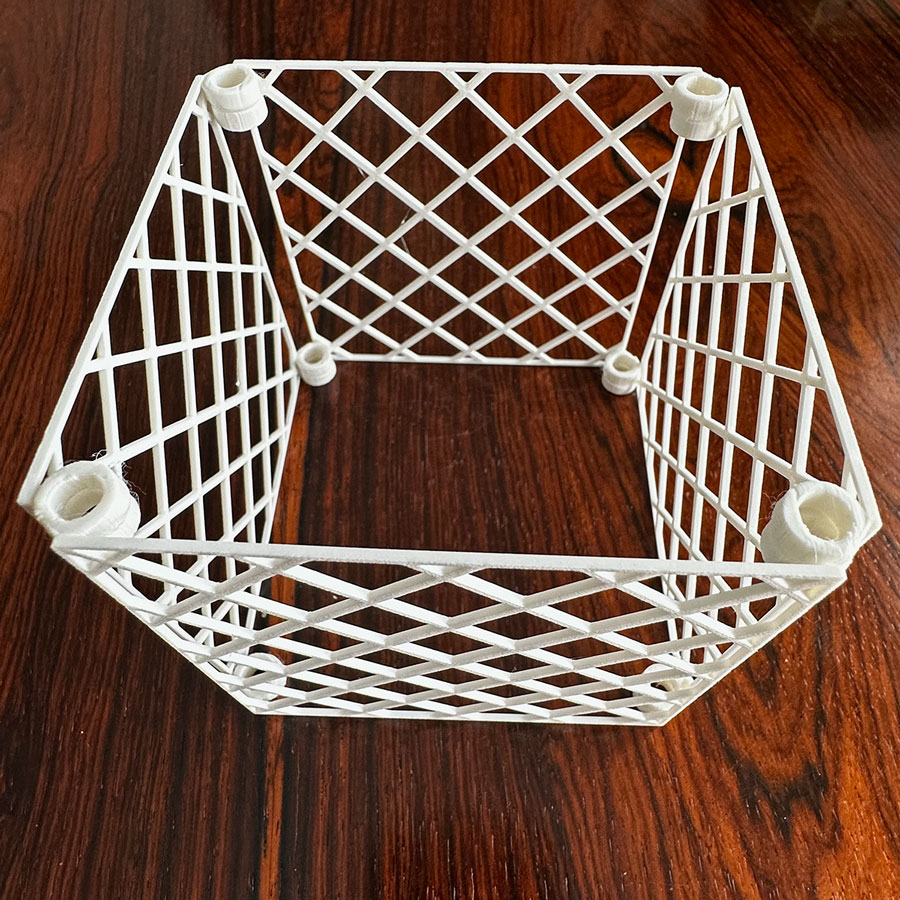
PLA mobile gallery structure
External structure PLA
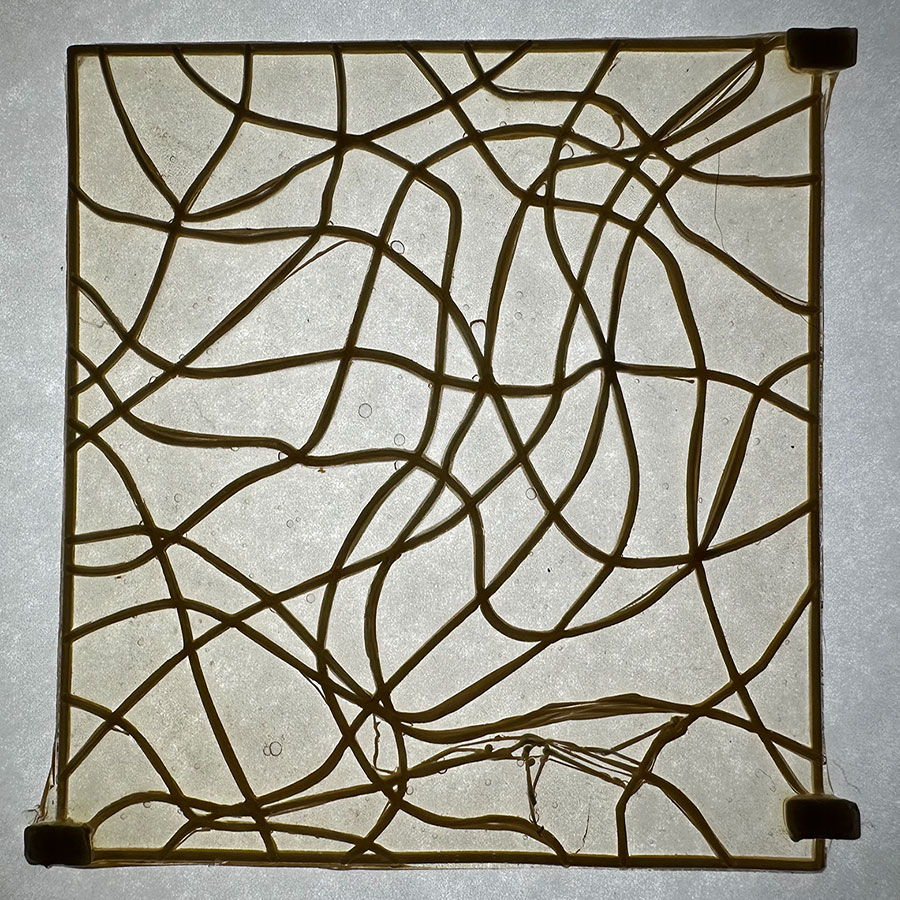
Internal structure bioplastic
We reflected on what made the past 3 prototypes unique, on what worked and what didn’t, and on what we wanted to see developed in the next prototype.
We focused on three items:
- Sustainability
Material, energy sources, practices .
So far, we have been using wood as out “go to” material, but can we find other more sustainable (i.e., possibly not as finite and less potentially invasive) to build our gallery? We employed solar panels and low energy devices that would impact battery duration minimally. We had mixed results. How can we optimize this without endangering the quality of our work? Can we study better strategies to recycle, re-use, or give a new life to older technologies? - Portability
carbon footprint, reproducibility, modularity, adaptability.
Transportation has been problematic to say the least. Shipping an artifact made of wood can be costly. What other type of lighter material can be used? Can the gallery be reproduced/fabricated, customized at destination? If so, what kind of instructions can be provided? - Community Engagement
Engagement with the humans and non-human communities surrounding the gallery. How do we better cultivate relations with visited communities? How do we create a welcoming environment for the planned content of the gallery, as well as for the collaborators involved?


Trying new materials
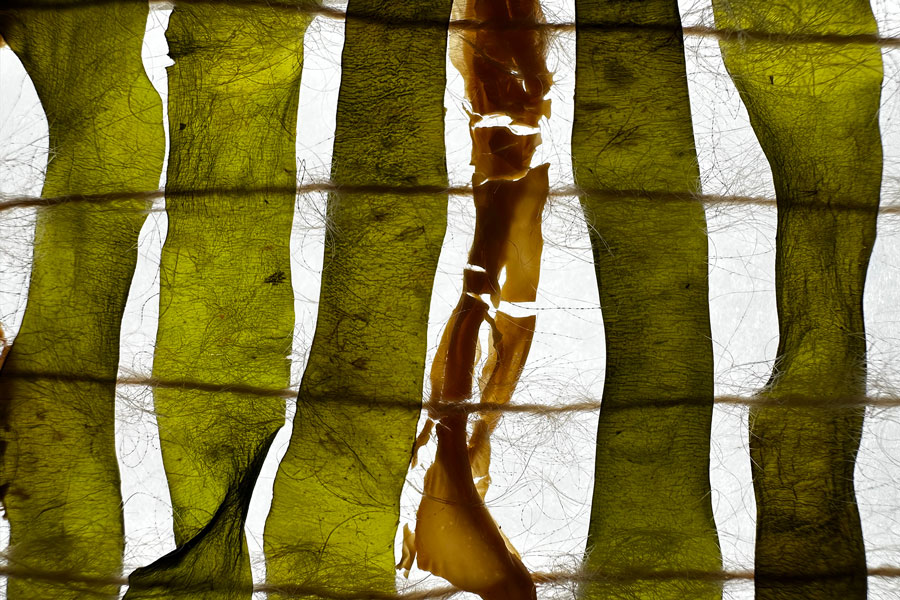
Examples of potentially lighter, easily sourced and reproduced, and more malleable alternative material are numerous: artists have successfully experimented with mycelium and cork; bioplastic and biomaterial; widely available fibres such as algae and invasive species. we experimented with different material using a series of recipes. we ordered them by three different techniques
Cooking –> bioplastic
Fermenting –> kombucha leather
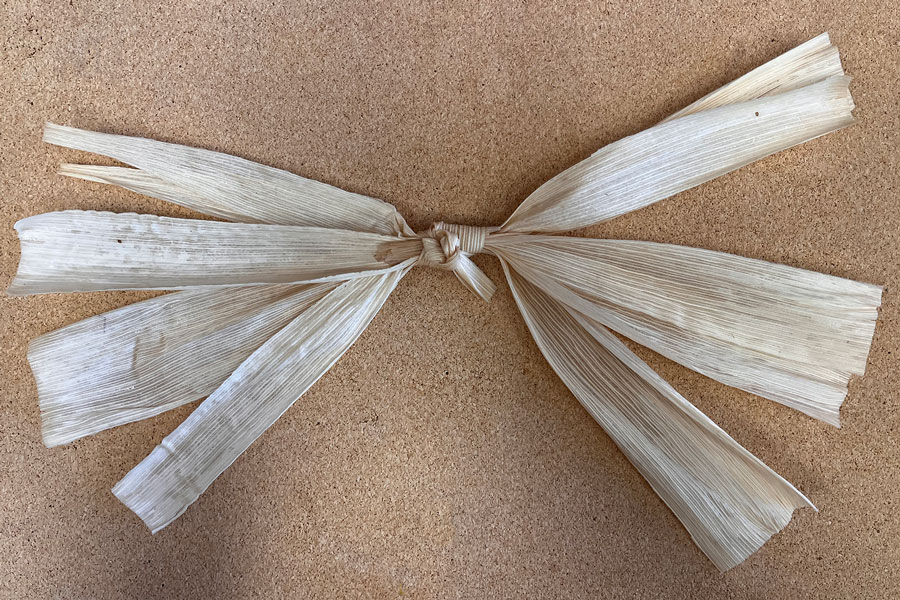
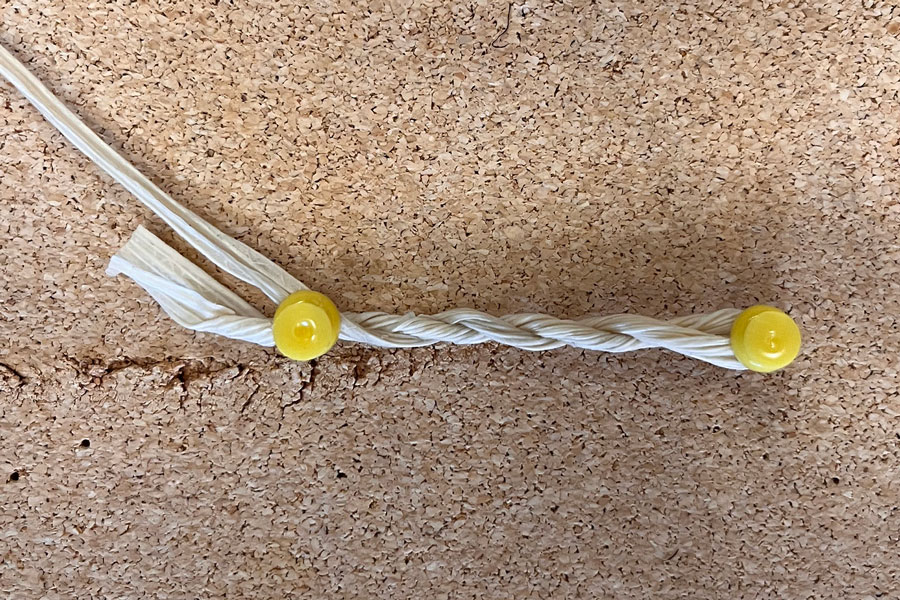
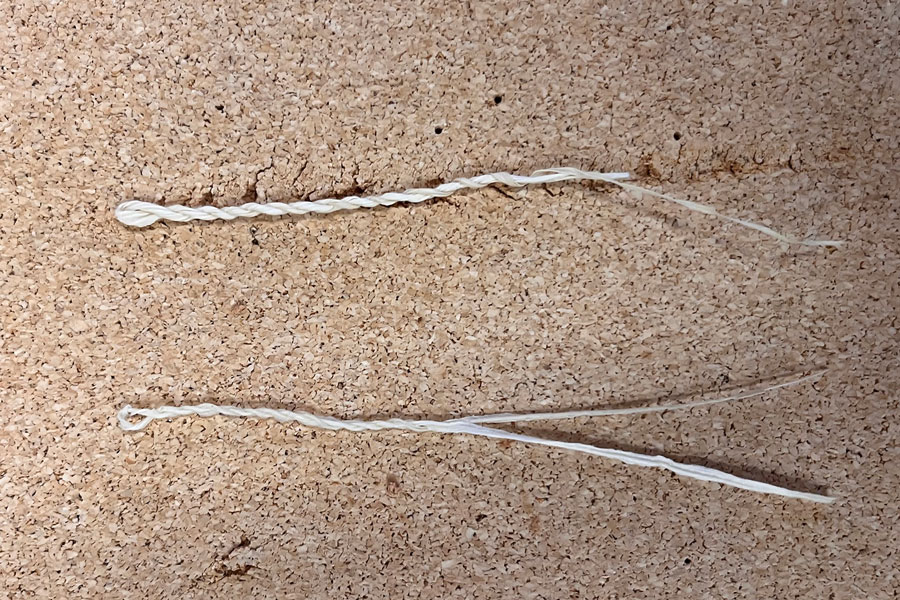
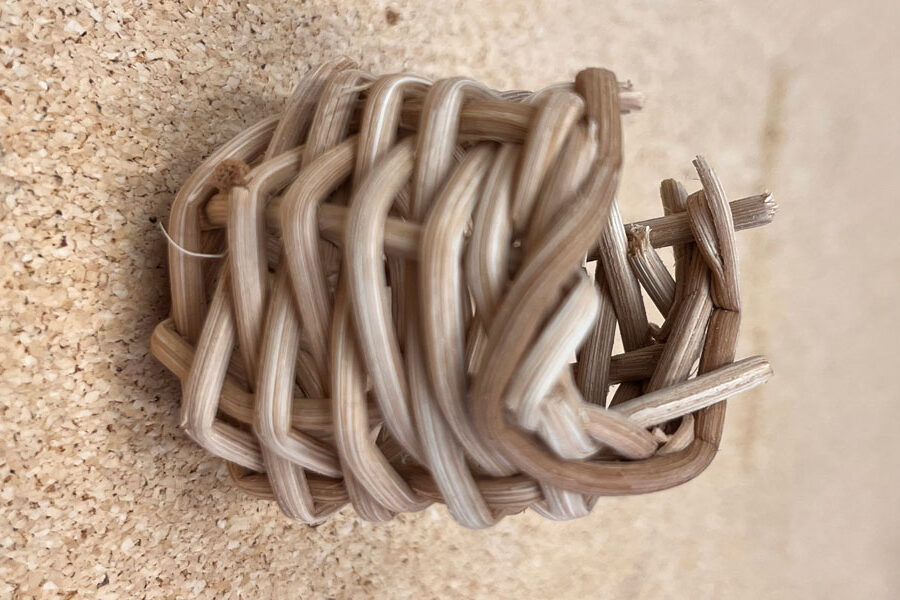
Weaving –> household items or local invasive species
Holding it all together
The material will be integrated into an external 3D printed light mesh (made of PLA) inspired by our original mobile gallery design
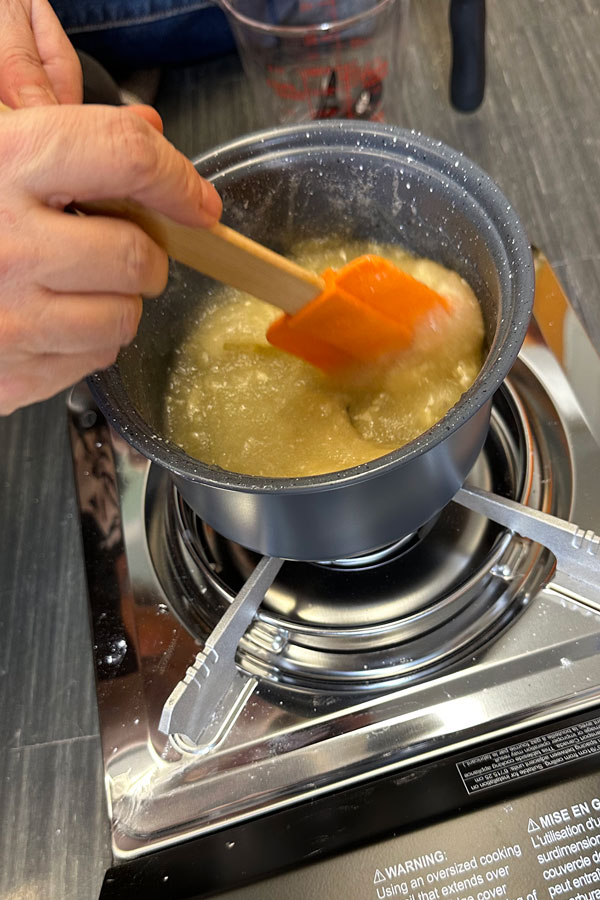
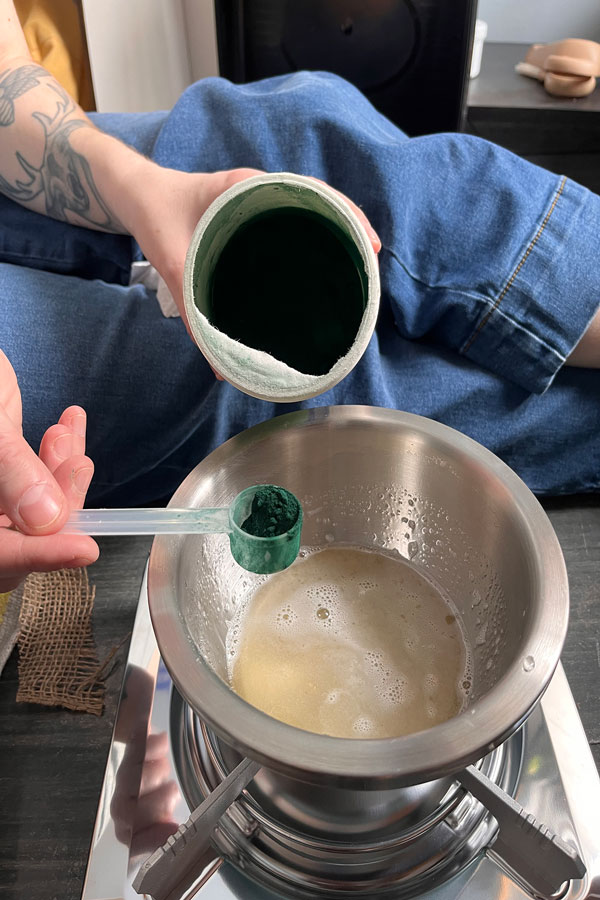
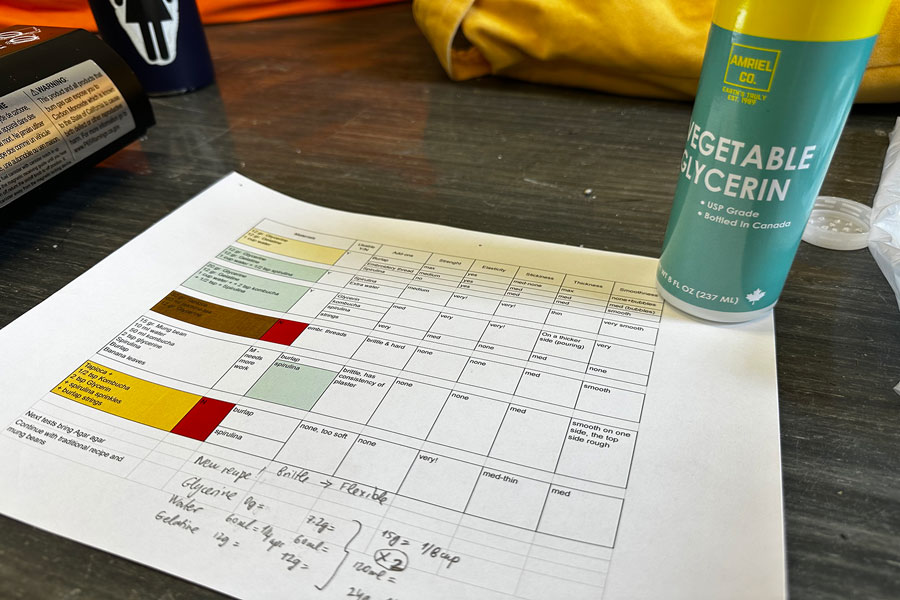
We experimented with several recipes involving gelatine, agar agar, corn starch, tapioca and mung bean but we quickly settled with variations on two main recipes:
12 gr. gelatine
12 gr. glycerine
1 cup water
12 gr agar agar
12 gr.glycerine
1 cup water
RESULTS
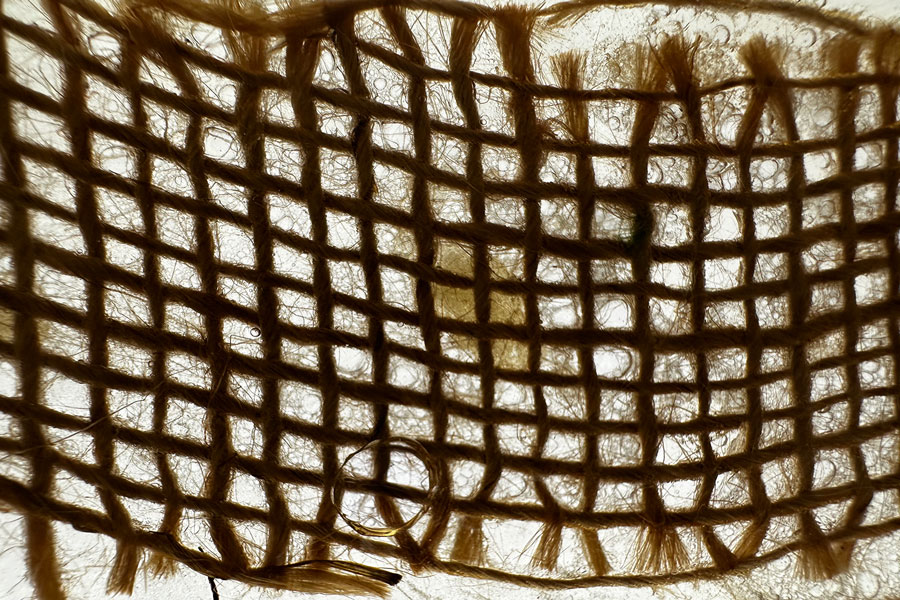
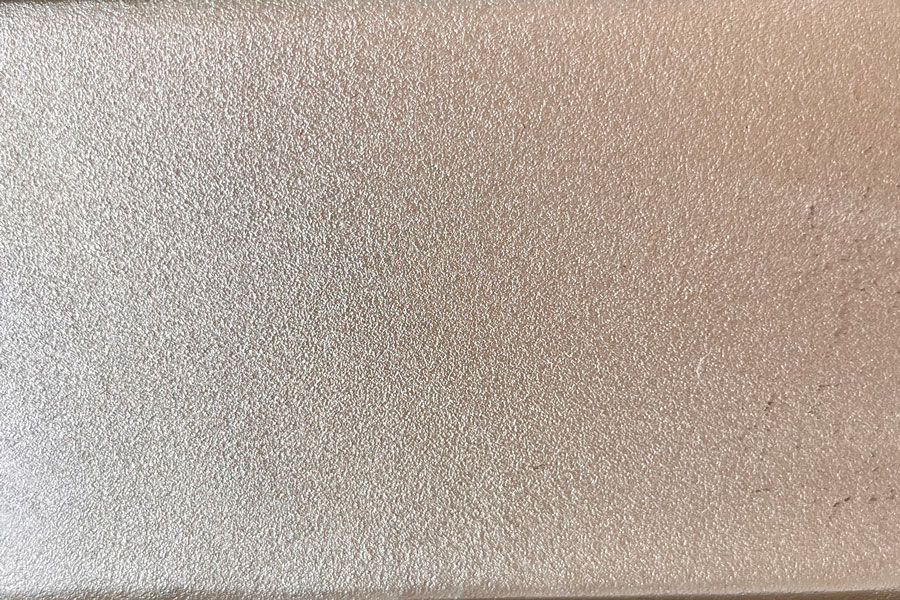
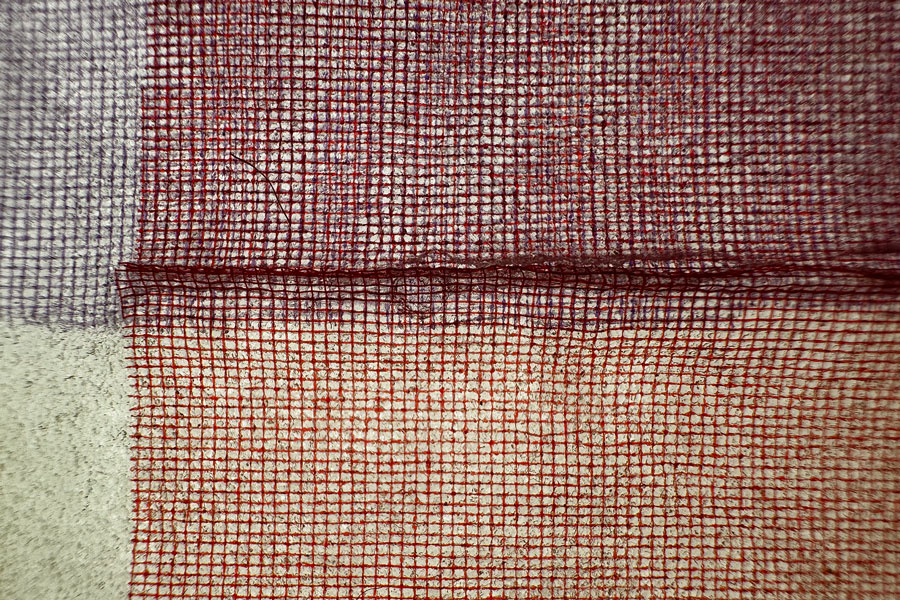
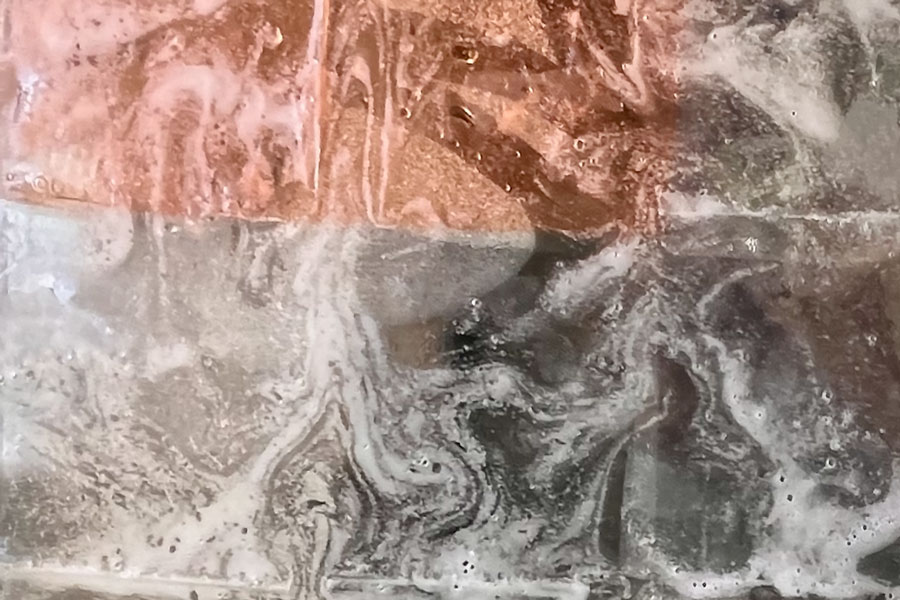
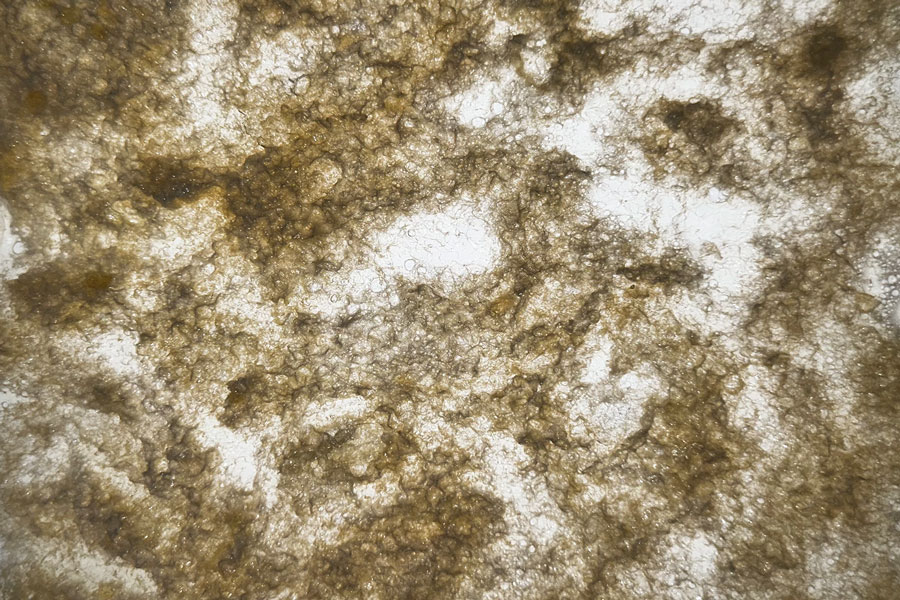
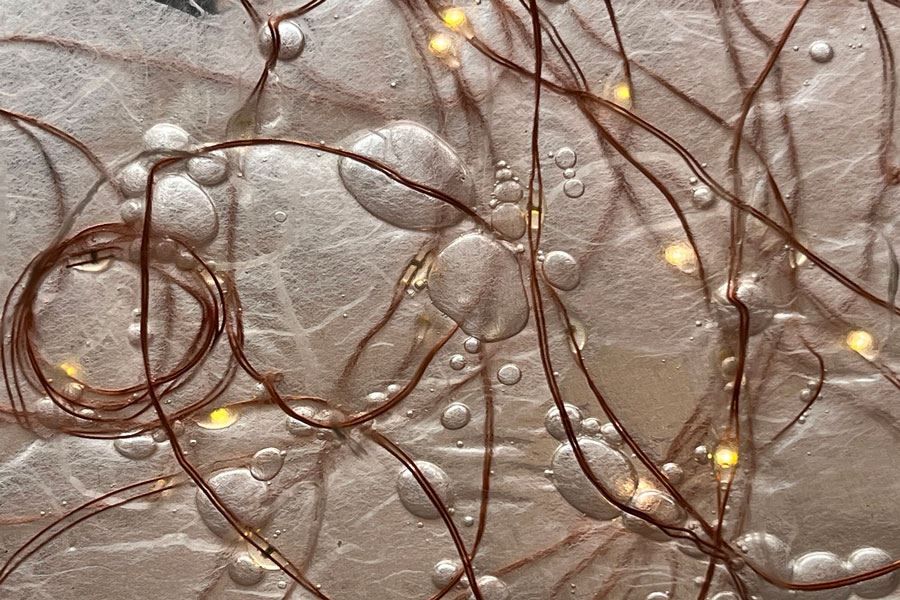
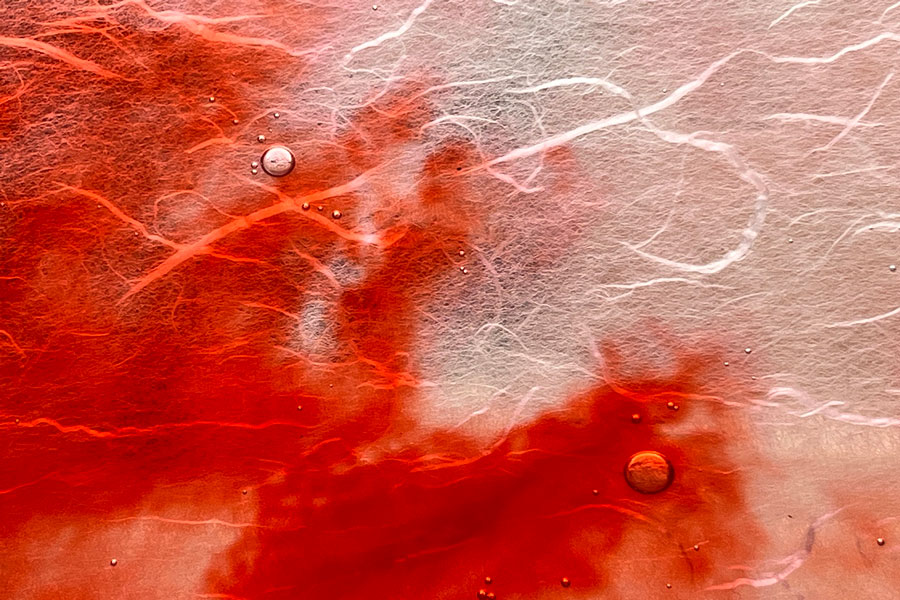
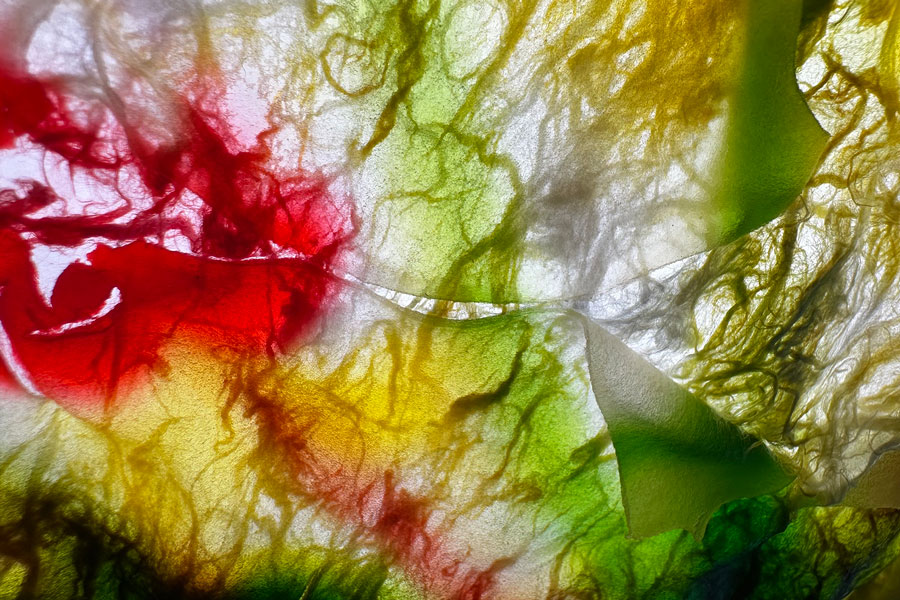
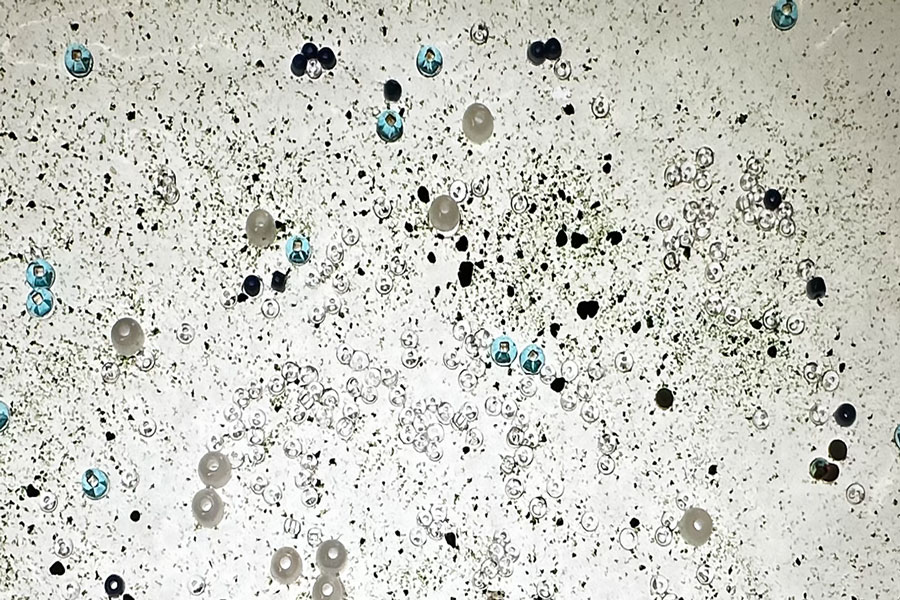
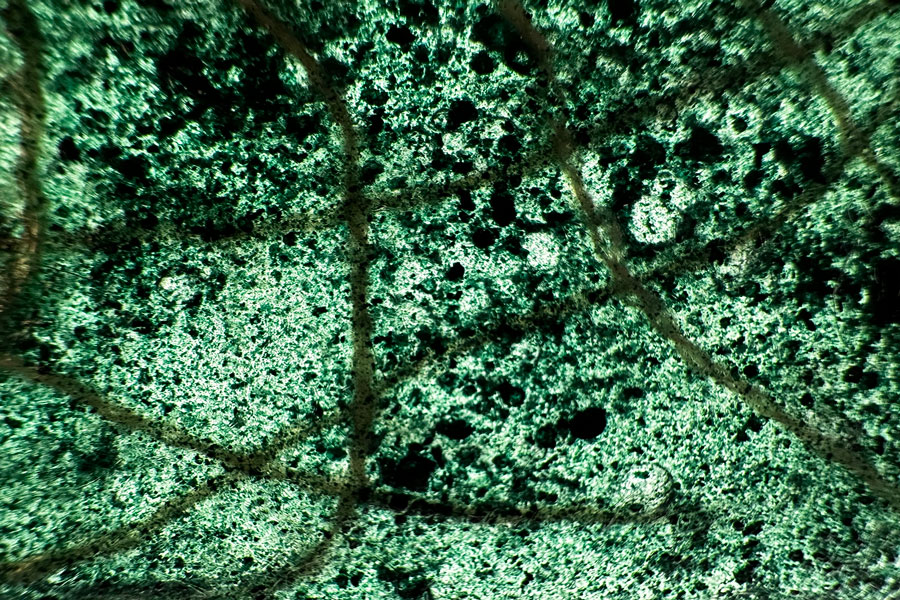
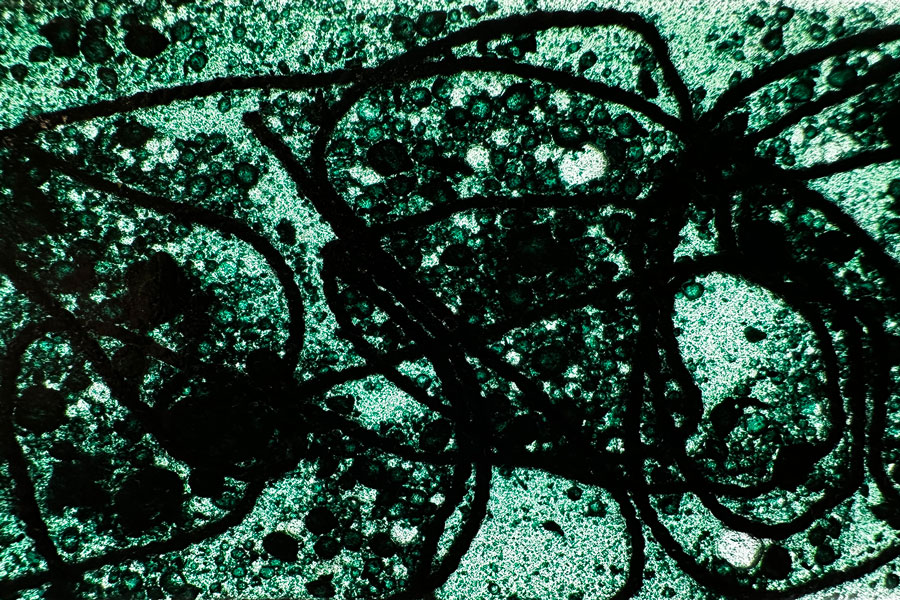
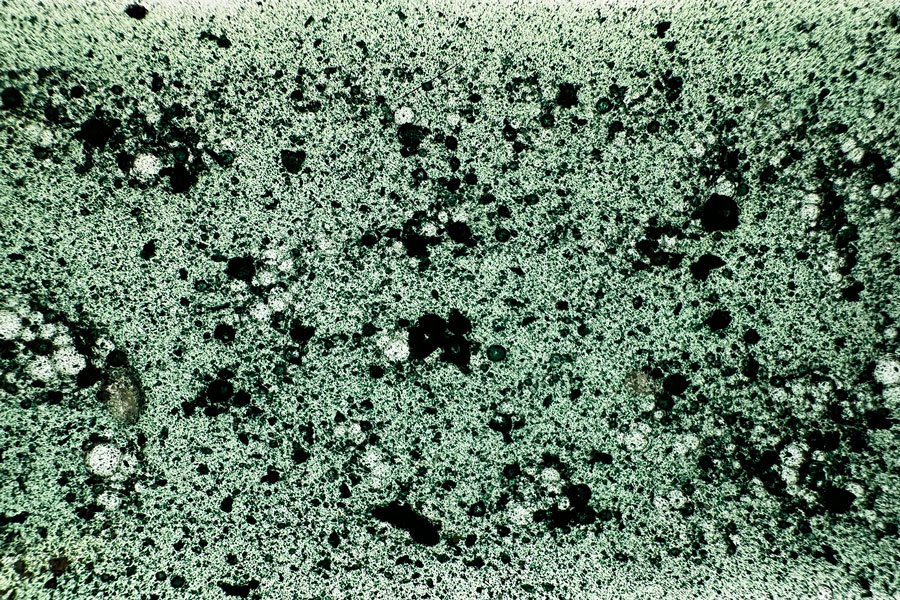
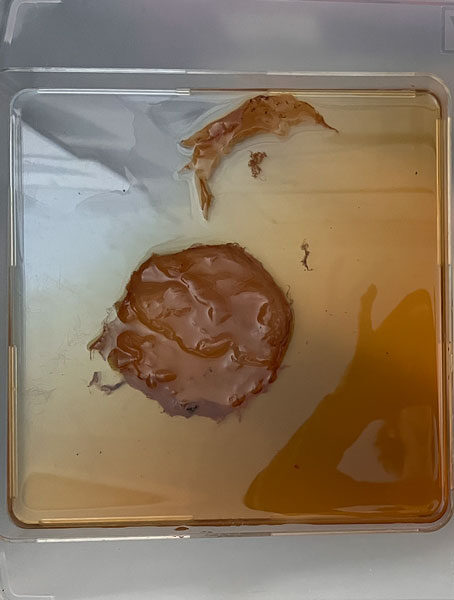
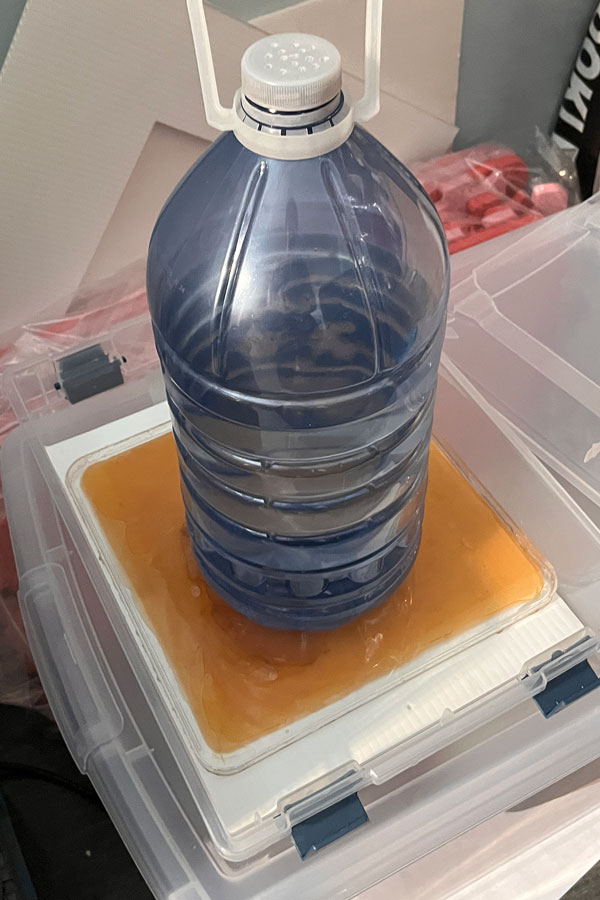
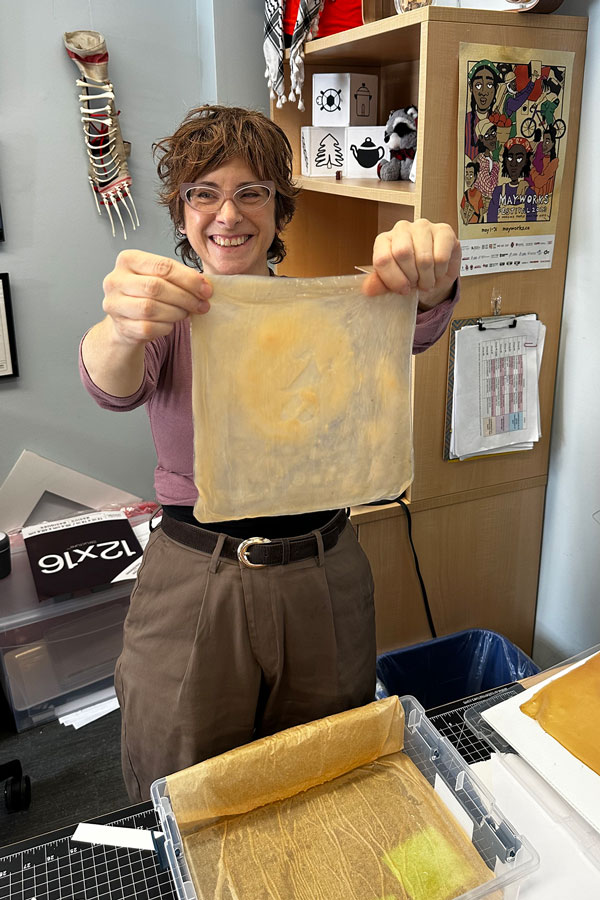
We produced 4 sheets out of the same original skoby using a traditional black tea + sugar recipe. The process lasted 3 weeks for the first batch and 4 weeks for the second. The second batch was color coded.
the resulting leather sheets were moisturized with glycerine and bees wax respectively
RESULTS


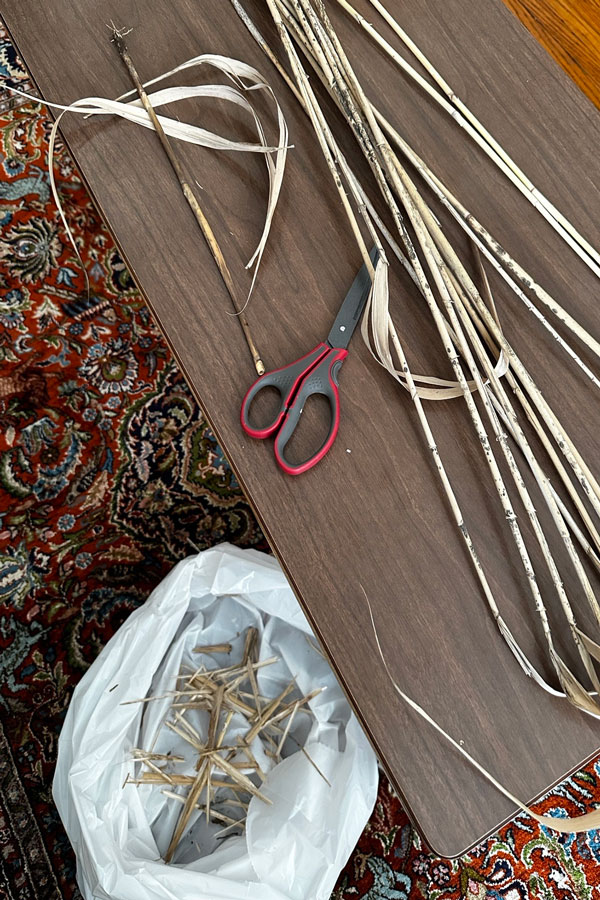
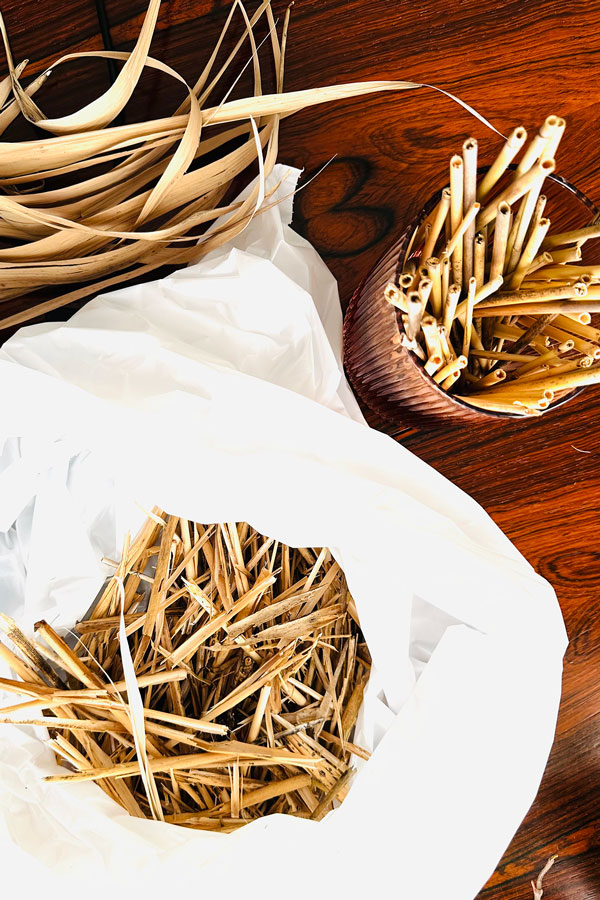
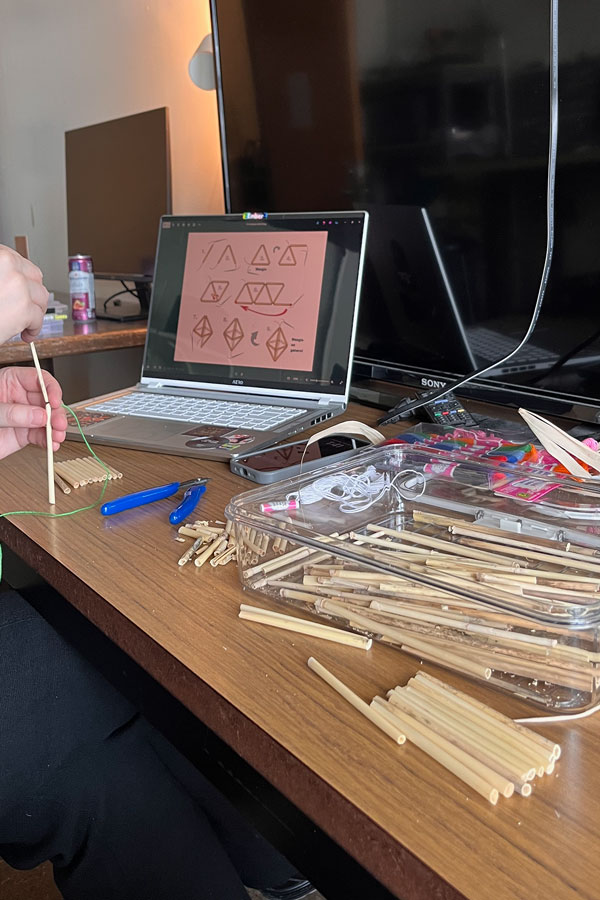
We used a variety of household material and weaving/basket making techniques. We were somehow limited by weather (the process occurred in February). Potential interesting invasive species use include phragmites, burdock, and Japanepe Burberry.
here is a list of “invasive species” in Ontario
RESULTS